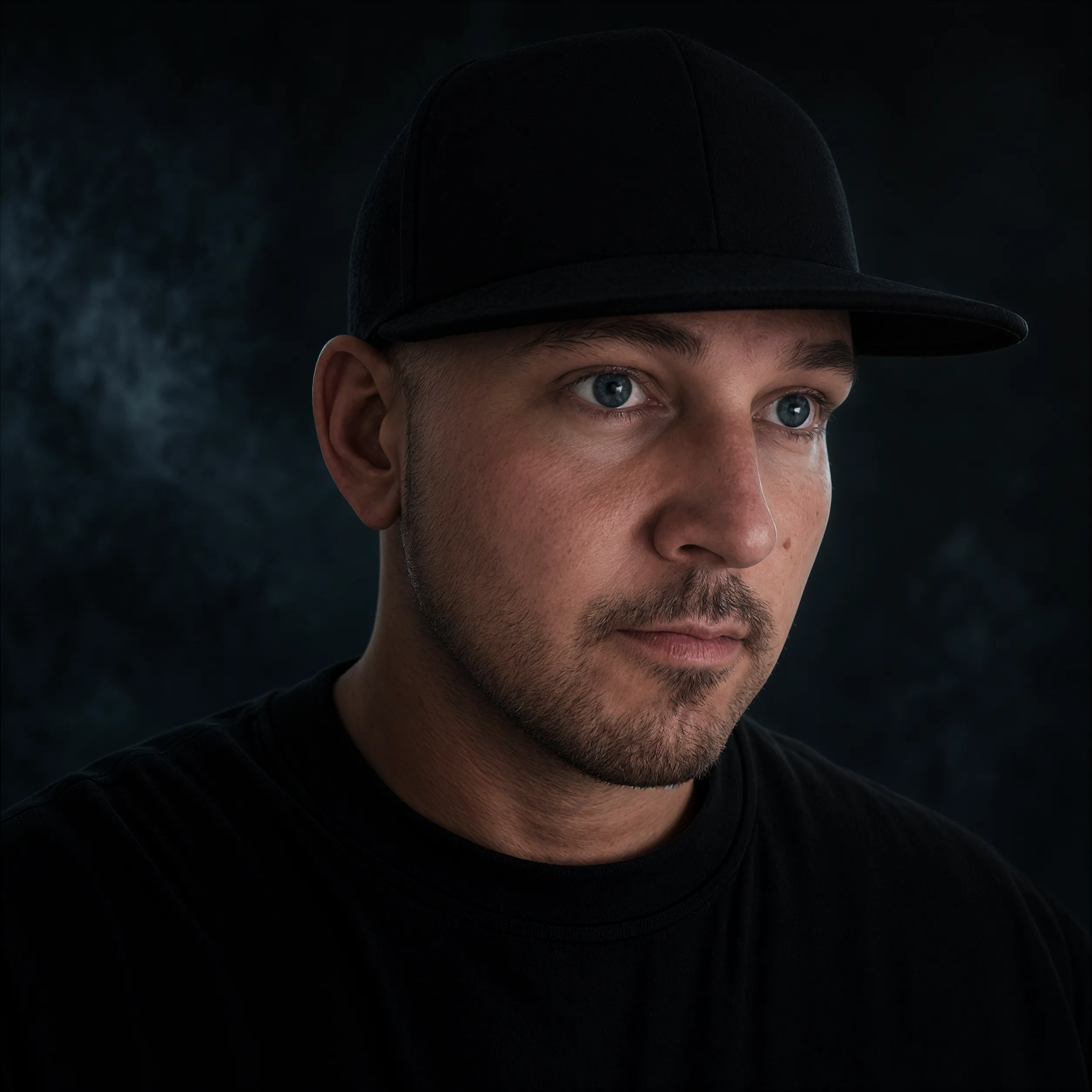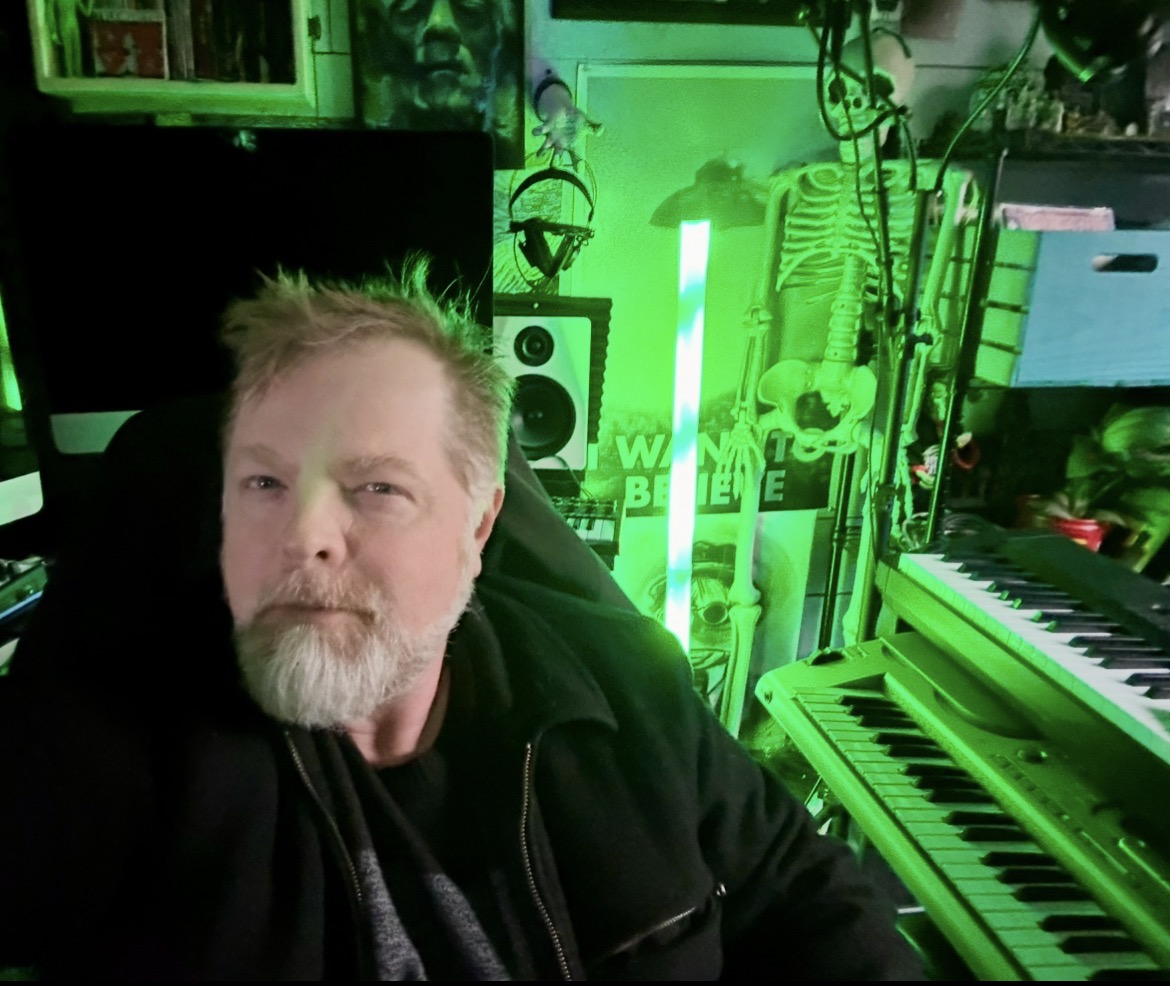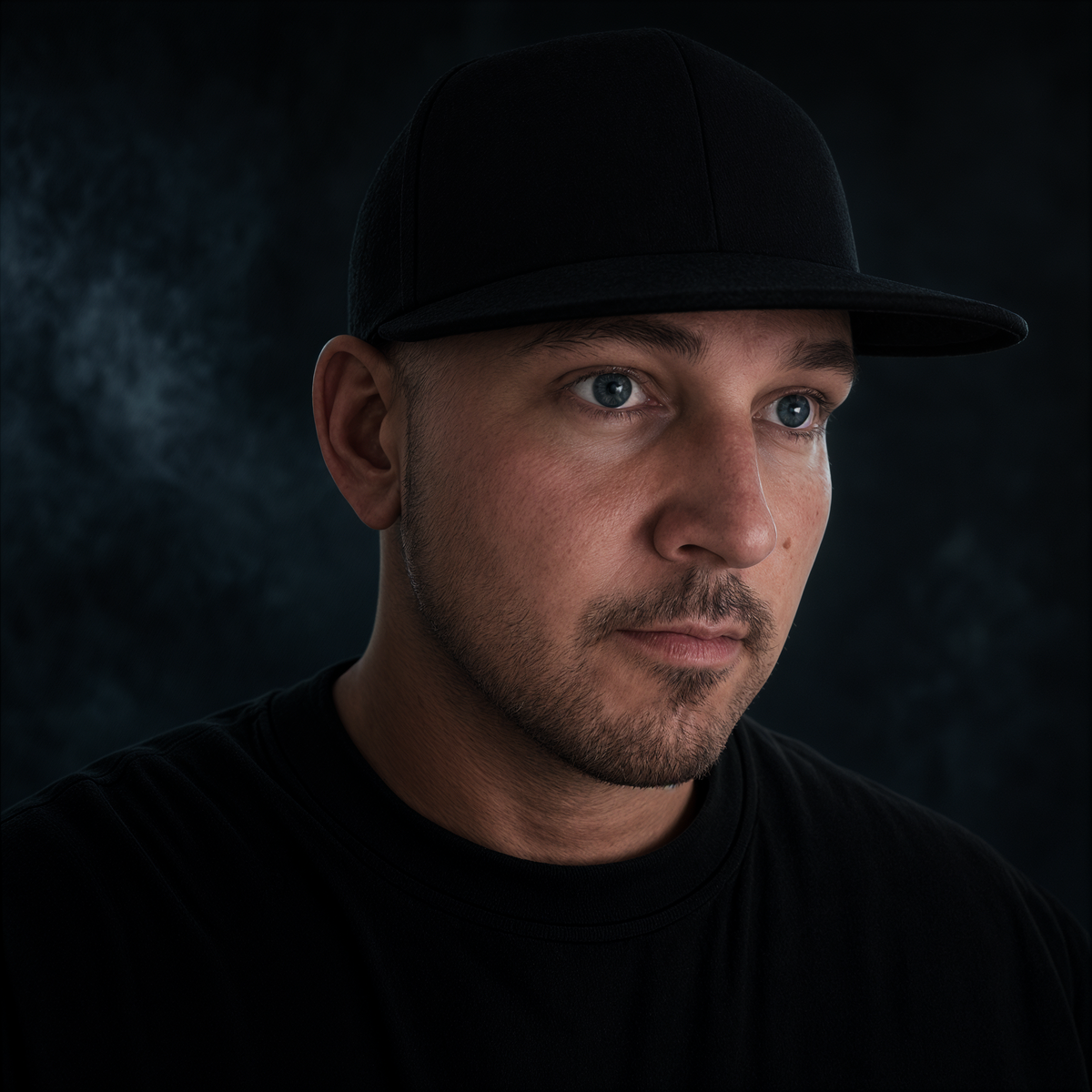
There is a simple sentence buried near the end of Jimmy Bengtsson’s interview that could almost serve as the philosophy behind Mutant DNA:
“Notice people. Pay attention.”
It explains a great deal about both the Malmö artist and the music he creates.
Jimmy notices the things that are easy to miss: small changes in someone’s behaviour, silence, tension, distance and connection. He describes these quiet details as part of the emotional foundation of his writing, drawing inspiration not only from his own experiences but from what he sees in the people around him.
That instinct sits at the heart of “September Bakom Ärren.”
The Swedish-language single is built around a powerful idea: people often see the scars before they understand what someone had to survive for those scars to exist.
But it is not simply Jimmy telling his own story.
The song combines parts of himself with the experiences of a close friend who struggles with mental health and also appears on the cover artwork. Jimmy takes those experiences and passes them through his own perspective, including the details he tends to notice that others might overlook or walk past.
That says something important about how Mutant DNA works.
Jimmy isn’t simply observing darkness from a distance. He has his own relationship with it.
He makes a clear distinction between darkness as an artistic image and darkness as something lived. For him, it was never something chosen because it looked interesting. He describes it as a place that has torn him apart at different points in his life.
What has changed is how he moves through it.
Jimmy says he has learned to use those periods to reflect, gain perspective and confront parts of himself he might otherwise avoid. The darkness can still be uncomfortable, but he now knows he can come back from it.
That may help explain why he is so interested in what lies beneath the surface of other people.
He searches for the emotional core of what he notices and turns it into words.
Writing, in fact, came before the music.
Long before Mutant DNA, Jimmy used writing to sort through thoughts and emotions he couldn’t always explain in conversation. Eventually, that personal process began to change. His instinct to notice people and his need to write came together, and those words became lyrics.
His songs still begin there.
Sometimes it is a feeling. Sometimes an observation, an image or a single line he cannot quite let go of. Jimmy works out what it means before building the music around it.
Production came later, and he is still teaching himself that side of the craft.
Mixing and mastering have come with a steep learning curve as he works to make songs translate between headphones, cars, mono speakers and home systems. Yet the technical process has slowly become something he enjoys, bringing what exists inside his head closer to what eventually comes out of the speakers.
But technique isn’t where Mutant DNA begins.
It begins with paying attention.
Jimmy notices something in himself or another person. He holds onto it, examines it and finds words for something that may never have been said out loud. Then he builds a song around it, leaving enough space for somebody else to find their own experience inside it.
And perhaps that is why four words near the end of an interview feel like something much bigger than a closing thought.
“Notice people. Pay attention.”
For Jimmy Bengtsson, that isn’t separate from Mutant DNA.
It is where Mutant DNA begins.